
A trillion dollars in SaaS market cap vanished in a few weeks. HubSpot down 51%. Monday.com down 44%. ServiceNow, which just beat earnings for the ninth straight quarter, down 36%. Wall Street looked at a few impressive AI demos and concluded that enterprise software is dead.
It isn't. But something real is happening, and the market is telling the wrong story about what it is.
The popular version goes like this: agentic AI will replace SaaS the way SaaS replaced on-premise. Per-seat pricing is dead. Enterprises will stop buying software and deploy agents instead. I think this is roughly half right, which makes it more dangerous than if it were completely wrong.
Here is the reality inside enterprise IT budgets: AI spending is up over 100% year-over-year while total IT budgets grew about 8%. Every AI dollar is coming from somewhere, and a lot of it is coming from software line items. SaaS companies are not losing to AI agents in head-to-head competition. They are losing budget share to a new priority. The pie is getting recut, not shrinking.
Monday.com's CEO replaced a 100-person SDR team with AI agents and the market extrapolated that across every enterprise software company in about forty-eight hours. But outbound sales development was already heavily templated, metric-driven, and begging for automation long before anyone said "agentic." Replacing a hundred people who send cold emails is not the same as replacing Salesforce's data model, ServiceNow's workflow engine, or Workday's HR compliance infrastructure. Those are twenty years of accumulated business logic that enterprises spent millions configuring. Vibe coding a replacement is not a serious proposition. Not this year. Probably not in five.
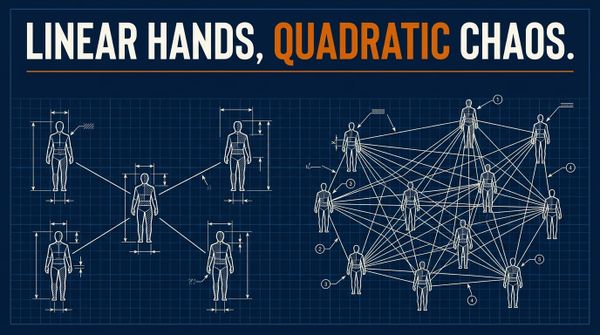
The real vulnerability is not replacement. It is compression. AI shrinks the number of humans who touch enterprise software. Per-seat pricing means fewer humans means less revenue. Atlassian just reported its first-ever decline in enterprise seat growth. Nobody built an AI Jira. Teams just got smaller, and the licensing model punishes the vendor for that efficiency. Forty percent of enterprise SaaS contracts now include outcome-based pricing elements, up from 15% two years ago. That is the actual story: not the death of software, but the death of a pricing model that assumed headcount only goes up.
Meanwhile, the confidence gap between AI ambition and AI execution is wide enough to lose a parade through. Roughly two-thirds of companies using AI have not scaled it across their enterprise. Only about 20% have mature, scaled deployments. Ninety percent of C-suite leaders say they are confident in their AI transformation strategy. Seven percent consistently deliver the full value. That is a phenomenal ratio of swagger to substance, the kind of number that makes you wonder if "confident" is just corporate for "haven't checked yet."
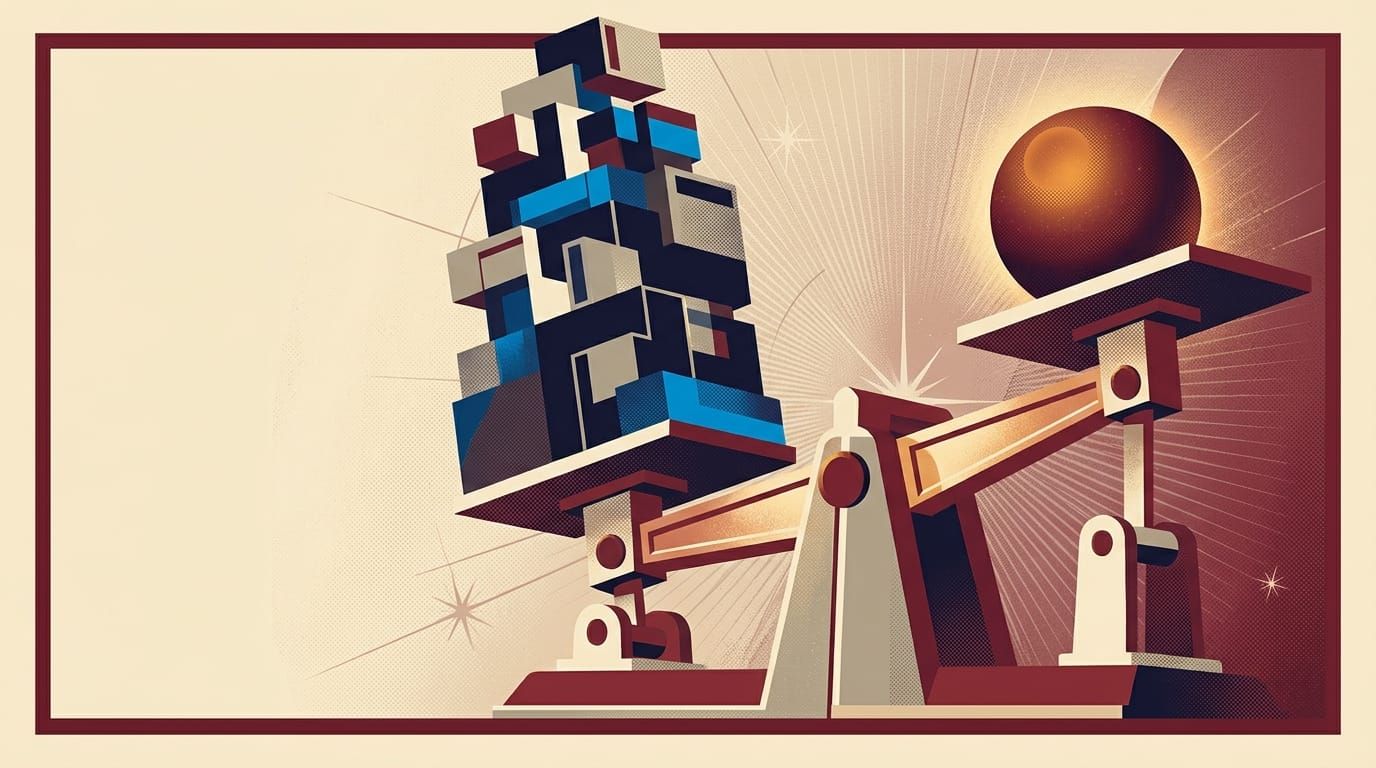
The market is pricing in a future where AI agents seamlessly replace enterprise workflows. The companies actually trying to do this are discovering that data readiness, security, integration complexity, and workflow redesign are brutally hard problems. AI does not make them easier. It just makes them more urgent. The distance between a compelling demo and a production deployment that handles edge cases, compliance requirements, and the weird specificity of how a real business actually operates is enormous. That gap does not show up in an analyst's note. It shows up six months in, when someone realizes the agent keeps hallucinating policy exceptions that do not exist.
The SaaSpocalypse is not AI killing software. It is a market that cannot tell the difference between a real structural shift and a narrative that feels true because the demos look great. Software pricing models are genuinely under pressure. Enterprise AI adoption at scale is genuinely difficult. The companies that navigate both realities will be worth more in five years. The ones clinging to per-seat pricing while pretending their AI features are a moat will not.
The smart money is not betting on whether AI agents replace SaaS. It is betting on which SaaS companies understand the game changed and are rebuilding their economics accordingly, and which ones are still running earnings calls about how many Copilot seats they sold this quarter.
Keep building,
-- JW