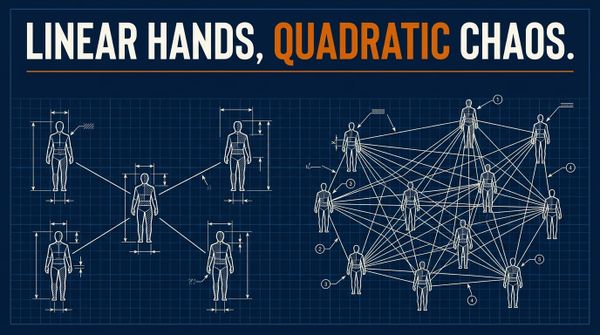
When Hiring Doesn’t Make Things Faster
You hired to go faster and the team got slower. The cause is coordination cost, and the fix is structure, not another hire.
Decoding AI, Entrepreneurship, Business Growth, and Systems Thinking for modern builders and leaders.
Inquire About Speaking Availability
Your calendar shows which of your hours are load-bearing only because the system to hand them off was never built. A framework you can run Monday.

Most AI adoption advice stops at automation. The highest expression of AI fluency is using the technology to create capabilities and growth opportunities that didn't exist before.
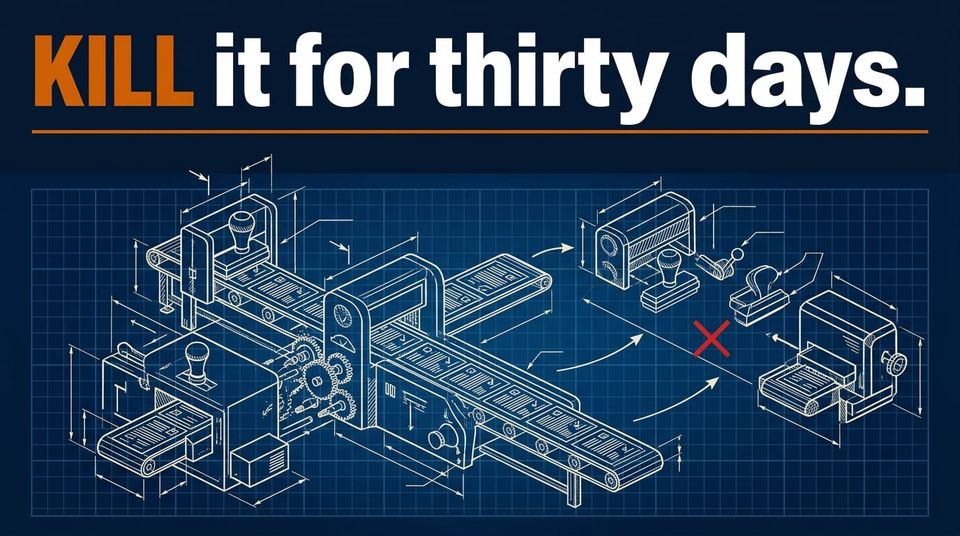
Every business carries operational dead weight it stopped questioning. The diagnostic is three questions. The results are usually uncomfortable.

I'm an entrepreneur, operator, investor, and writer.
By day I run businesses in travel; by night I build and test systems at the edge of what's changing, especially in AI and automation. I write and speak about building durable companies, turning messy execution into repeatable process, and using powerful new tools without fooling yourself -- so what you ship is reliable, measurable, and worth maintaining.
If you're building, leading teams, or trying to make sense of the shift, you're in the right place.
You hired to go faster and the team got slower. The cause is coordination cost, and the fix is structure, not another hire.
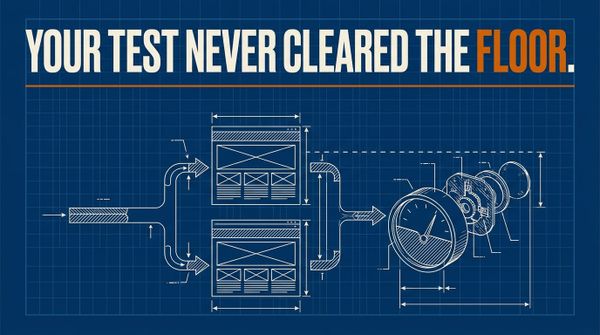
Below a certain traffic scale, an A/B test can't conclude anything, and the tool calls a winner anyway. Know your floor, and decide well when you're under it.
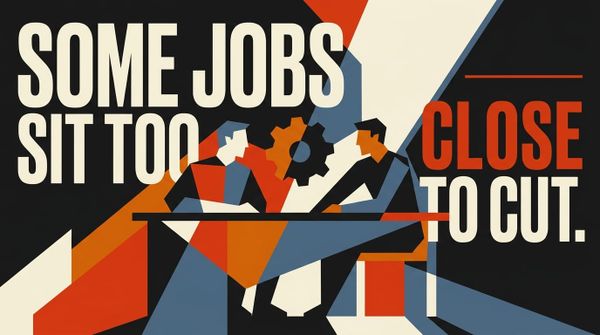
What stalls small-business automation is usually the person a few feet away whose job the tool would absorb, not the technology. Automate the task, redeploy the person.

Most small-business owners want AI's leverage. What stops them is being too buried in the daily work to build the systems that would free them.
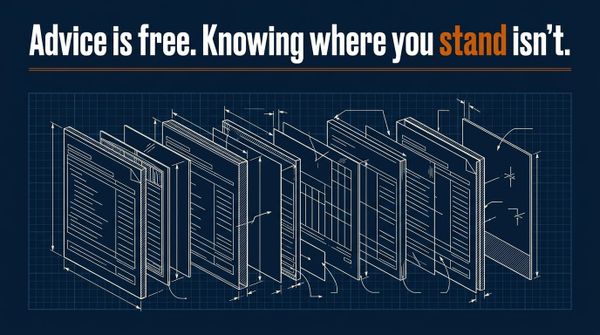
Founders over-invest in advice that fits nobody and skip the one thing that fits exactly: peer benchmarking with real numbers. Car dealers built it in 1947.

Your calendar shows which of your hours are load-bearing only because the system to hand them off was never built. A framework you can run Monday.
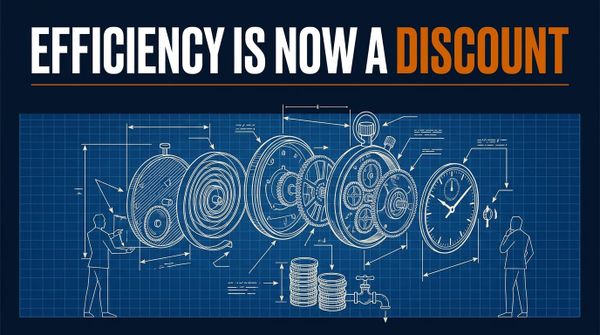
AI makes billable work faster, which quietly discounts your rate. Why hourly pricing turned into a leak, and how to charge for the outcome instead.
Two people file the same paperwork. One started a company, the other bought a job, and for a year nobody can tell which. Here is the test that sorts them.
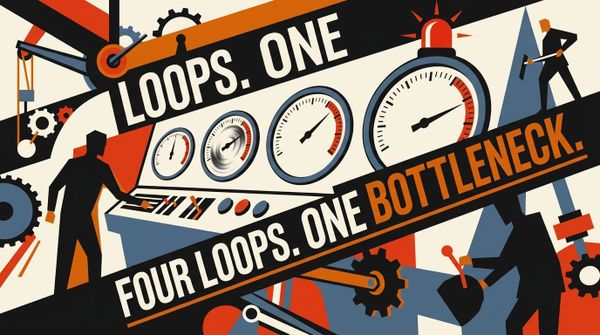
Aparna Dhinakaran mapped four distinct loop architectures in AI engineering. I know the taxonomy is right because I'm running all four with a personal AI agent system — and the constraint at every level converges to the same bottleneck.

Most AI adoption advice stops at automation. The highest expression of AI fluency is using the technology to create capabilities and growth opportunities that didn't exist before.

Most founders discover what their business is worth without them at the negotiating table. The key-person discount can shave 10 to 40 percent off enterprise value. A practical framework for measuring your operator premium.
You got the invite. The calendar hold. The seat at the long table. Access without influence is a participation trophy for adults.